 · EST. 1998
AW 2026/27 Plus-Size Wholesale: What to Stock Before the Season
Autumn/winter is the highest-value buying decision a boutique makes: higher unit costs, a narrower window, and less room for fit error. What to prioritise, when to order, and how deep to go on sizes.
Autumn/winter is the highest-value buying decision a plus-size boutique makes, because outerwear and knitwear carry more cost per unit and less room for error than everyday stock. This guide sets out what to prioritise, when to place the order, and how deep to go on sizes.
What makes AW buying different from the rest of the year?
Three things change at once, and they compound.
- Unit values rise. A coat ties up several times the capital of a blouse; the same buying error costs more.
- The selling window is narrower. Everyday categories sell all year. Outerwear has a defined window, and stock that arrives late does not simply sell later — it sells at a discount.
- Fit tolerance narrows. Layering is where plus-size grading gets exposed. A coat that must close over a knit over a shirt at size 54 needs an armhole and a chest measurement that were planned for it, not inherited from a size 40 pattern.
The practical consequence: buy AW earlier than you think you need to, go deeper on fewer styles, and ask harder questions about measurements before you confirm.
When should you place AW orders?
Work backwards from when your customer starts buying, not forwards from today. Exact lead times depend on whether styles are in stock or produced to order, on quantities and on the shipping route — confirm with your salesperson rather than a generic calendar.
- Well ahead of the season — decide the assortment; request fabric weights and flat measurements for your largest sizes; place any custom production.
- Ahead of first demand — place the main in-stock order; confirm the shipping mode; agree the size-set weighting.
- As demand opens — goods on the floor, photographed, merchandised as outfits rather than single pieces.
- Early in the window — reorder proven sellers immediately; this is the decision most boutiques make too late.
- Late in the window — stop buying newness; clear slow movers while there is still selling time left.
The single highest-value habit in seasonal buying is reordering a winner at the point it proves itself rather than at the point it runs out. In-stock availability is what makes that possible, so ask which of your chosen styles can be repeated before you build depth around them.
Which categories carry the season?
Treat this as a structure to adapt to your own market rather than a prescription — a boutique in Germany and one in the Gulf will weight it very differently.
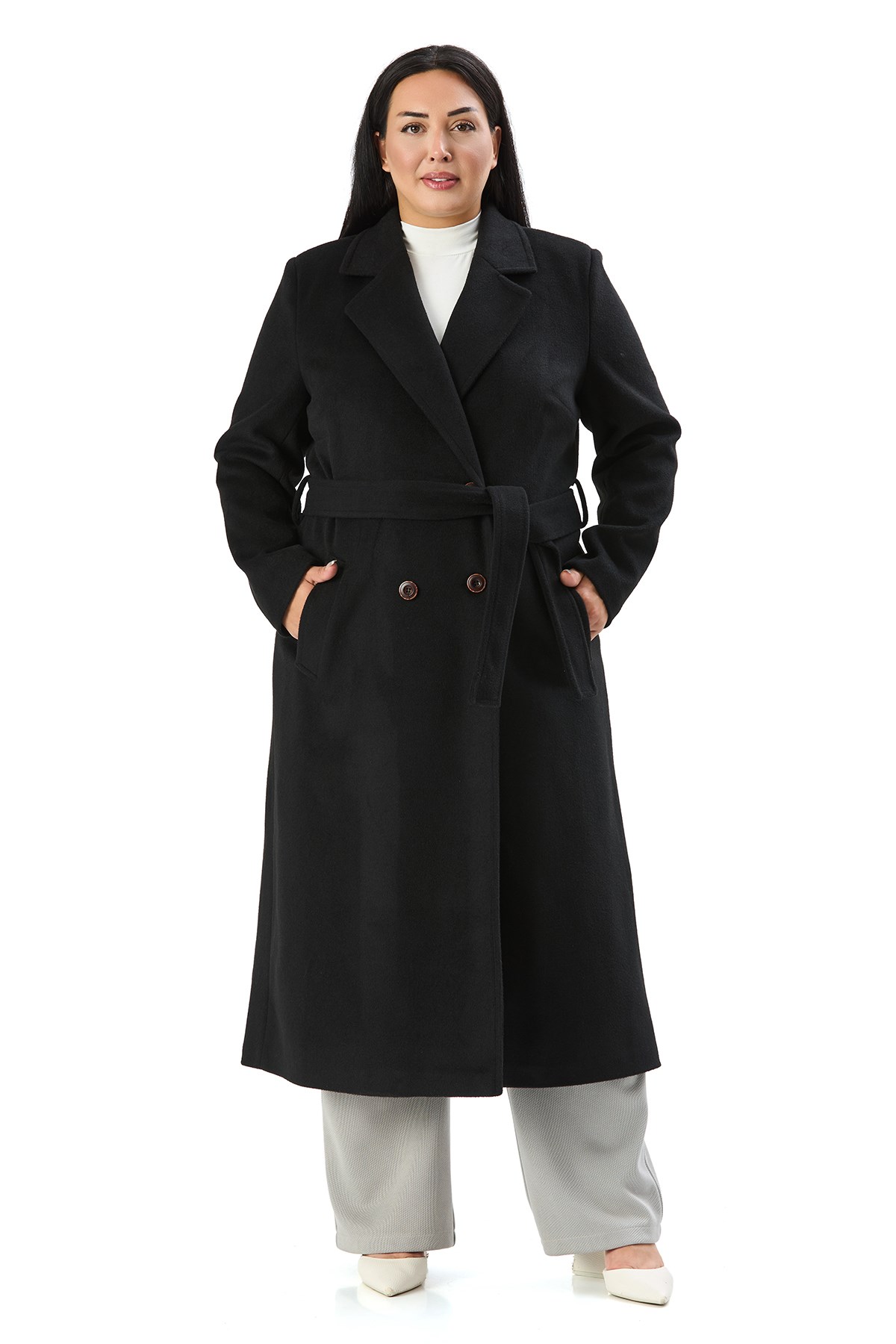
- Outerwear — coats, winter coats, trench — the statement purchase and traffic driver, and the highest unit value. Fewer styles, real depth in mid-to-upper sizes.
- Knitwear — cardigans, jumpers, tunics — volume and repeat purchase; the margin workhorse. Buy broad, with colour depth on proven shapes.
- Co-ord sets & tracksuits — the highest rotation, carrying the everyday business. Buy deep; this is where reorders concentrate.
- Trousers, joggers, leggings — sold as the second half of a two-piece sale. Deep in core colours, shallow on novelty.
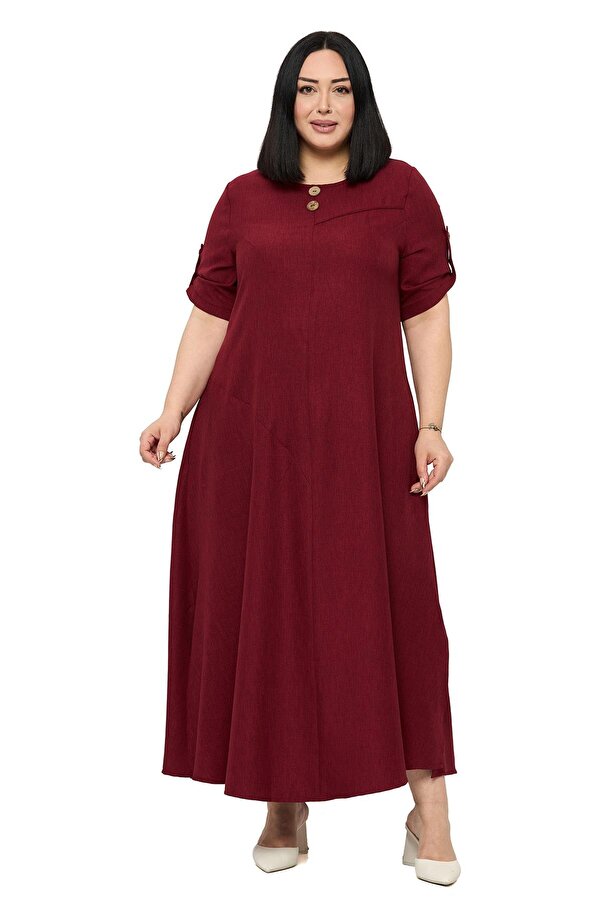
- Dresses & tunics — layering pieces and occasion crossover. Moderate depth, weighted towards wearable over decorative.
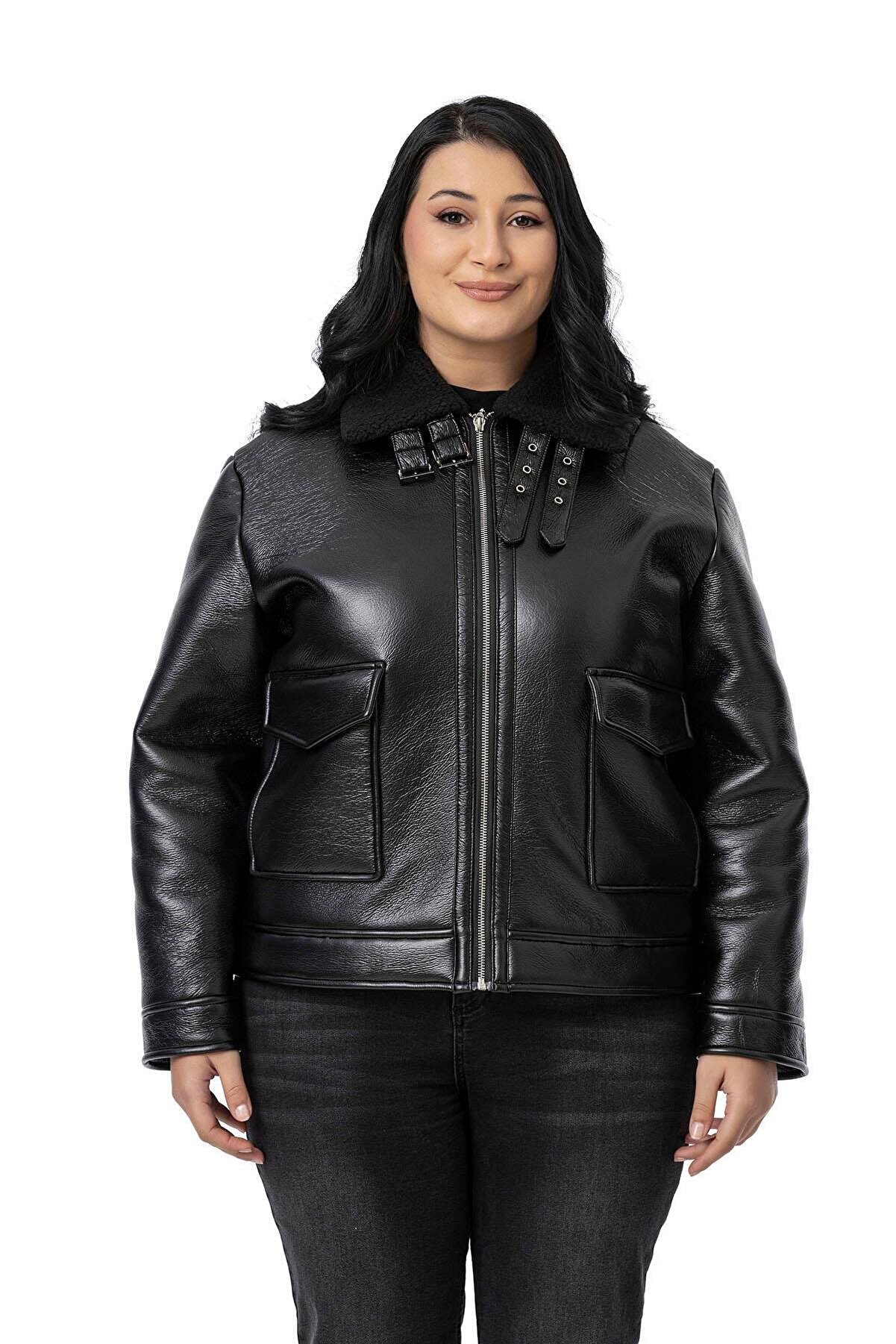
- Jackets & vests — transitional layers that extend the window at both ends of the season. Moderate depth.
Two structural notes. Layering pieces extend your selling window at both ends of the season, which makes them lower-risk than a heavy coat. And outerwear is where fit complaints concentrate above size 46 — ask specifically for chest, sleeve and armhole measurements on the largest size you plan to stock.
How deep should you go on sizes?
Depth beats breadth in every seasonal category, and the reason is arithmetic: a customer who cannot find her size does not wait for a reorder. Buying in size sets solves most of this automatically by keeping the mix balanced rather than leaving you with a rail of the extremes — if the system is unfamiliar, read what a size set is. Two refinements worth making:
- Weight the curve towards where you actually sell. After one or two deliveries you will know whether your demand centres on 46–52 or higher; adjust rather than repeating a flat spread.
- Calculate depth per size, not per style. Running out of 48–52 while 34–38 hangs untouched is the most common stock problem in plus-size retail — and it is a curve problem, not a demand problem.
How should you split the budget?
- The majority in proven repeats — styles or categories that already sell for you. This is the part of the buy that pays the rent.
- A meaningful share in newness within categories that already work. Not new categories; new expressions of what your customers already buy.
- A small, deliberately limited share in genuine tests — something untried, kept small enough that a failure costs nothing material. This is what generates next year's repeats.
Resist the temptation to buy twelve new styles because they look good in the catalogue. It feels like progress, and it prevents you from ever building the depth that actually converts.
What is the mid-season reorder strategy?
Set a fixed review point rather than reacting to an empty rail. Every few weeks:
- Count what sold, by style and by size, since the last order.
- Classify every style as repeat, watch or clear. Three categories, no fourth.
- Reorder the repeats deeper, with the size curve corrected towards where they actually sold.
- Mark down the clears while there is still season left to sell them in. Cash released early buys a proven repeat; cash trapped in slow stock buys nothing.
Send the list on WhatsApp with style codes — the format in our WhatsApp ordering guide keeps this to minutes rather than days.
What should you avoid?
- Buying breadth to look well-stocked. A wide, shallow rail photographs well and sells badly.
- Committing heavily to a fabric or silhouette you have not sold before. Test it small first.
- Ordering late and hoping. Late AW stock is discounted AW stock.
- Skipping the measurements. Sleeve opening and armhole depth on your largest size predict more returns in outerwear than any other specification.
- Assuming a style will still be available. Ask about repeatability before you make something core. In-house production since 1998 and 600+ styles in stock make repeats realistic — but confirm style by style, and consider custom production from 150 pieces per model to secure a specific fabric or colour.
Plan your AW buy: browse the catalogue — free membership shows live prices and stock — and send your list on WhatsApp for a proforma invoice. For terms and process questions, see the FAQ or how we work.
Frequently asked questions
When is the right time to place an AW order?
Earlier than most boutiques do. Work backwards from when your own customers start buying winter pieces, then allow for production where styles are made to order and for shipping on top of that. Lead times vary by style, quantity and route, so ask your salesperson for a realistic date rather than planning from a generic calendar.
How many styles should I buy for the season?
Fewer than you are tempted to, each bought deeper. Ten styles with one piece per size disappoints most of the customers who walk in; four or five styles with a full size run sells through. Concentrate newness in categories that already work for you rather than opening new categories all at once.
Which AW categories carry the most risk?
Outerwear — unit values are highest, the selling window is defined, and fit issues concentrate above size 46, where layering puts pressure on the armhole and chest. Reduce the risk by ordering fewer outerwear styles with real depth, and by requesting flat measurements for the largest size you plan to stock before confirming.
Can I reorder mid-season if something sells out?
That depends on whether the style is held in stock, so ask before you build your assortment around it. Ordering from a manufacturer with an in-house workshop and a large in-stock range generally makes repeats possible, but the practical answer is style-specific. Reorder as soon as a style proves itself rather than waiting for it to run out.