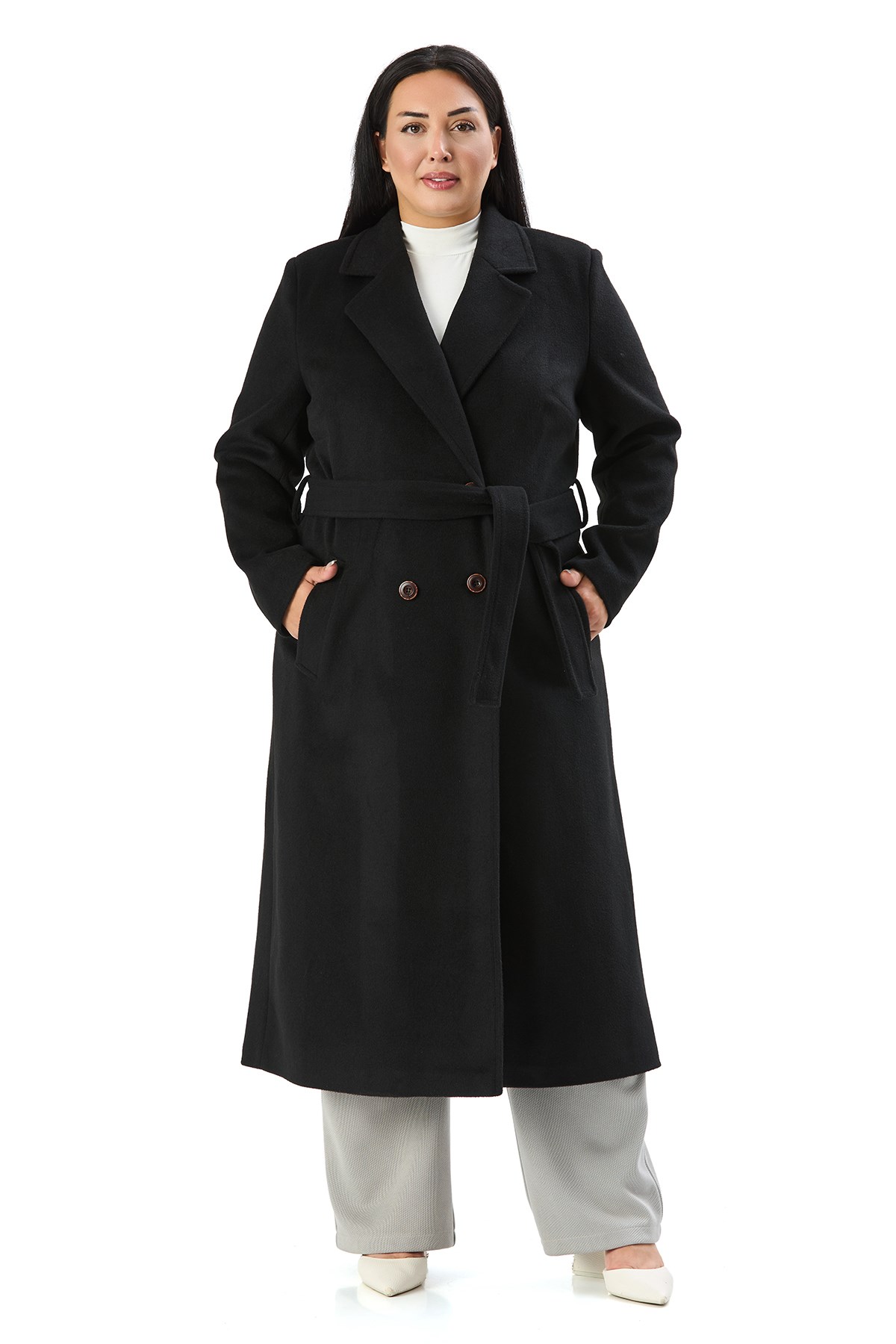
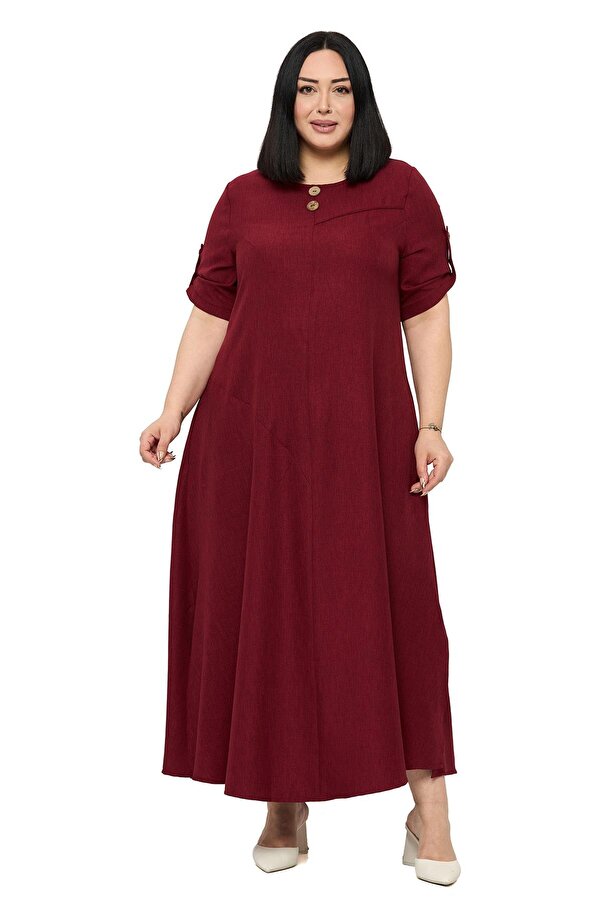
 · EST. 1998
What "Modest" Means in a Wholesale Order: Coverage, Sleeves, Length and Opacity — and How to Write a Brief a Manufacturer Can Cut From
Two buyers can both say "modest" and mean garments that would not sell in each other's shops. Neckline, sleeve, hem, opacity, ease, slits and layering are all measurable — and the moment they are written down, the sample comes back right the first time. Here is the vocabulary, the numbers we use, and a brief you can copy.
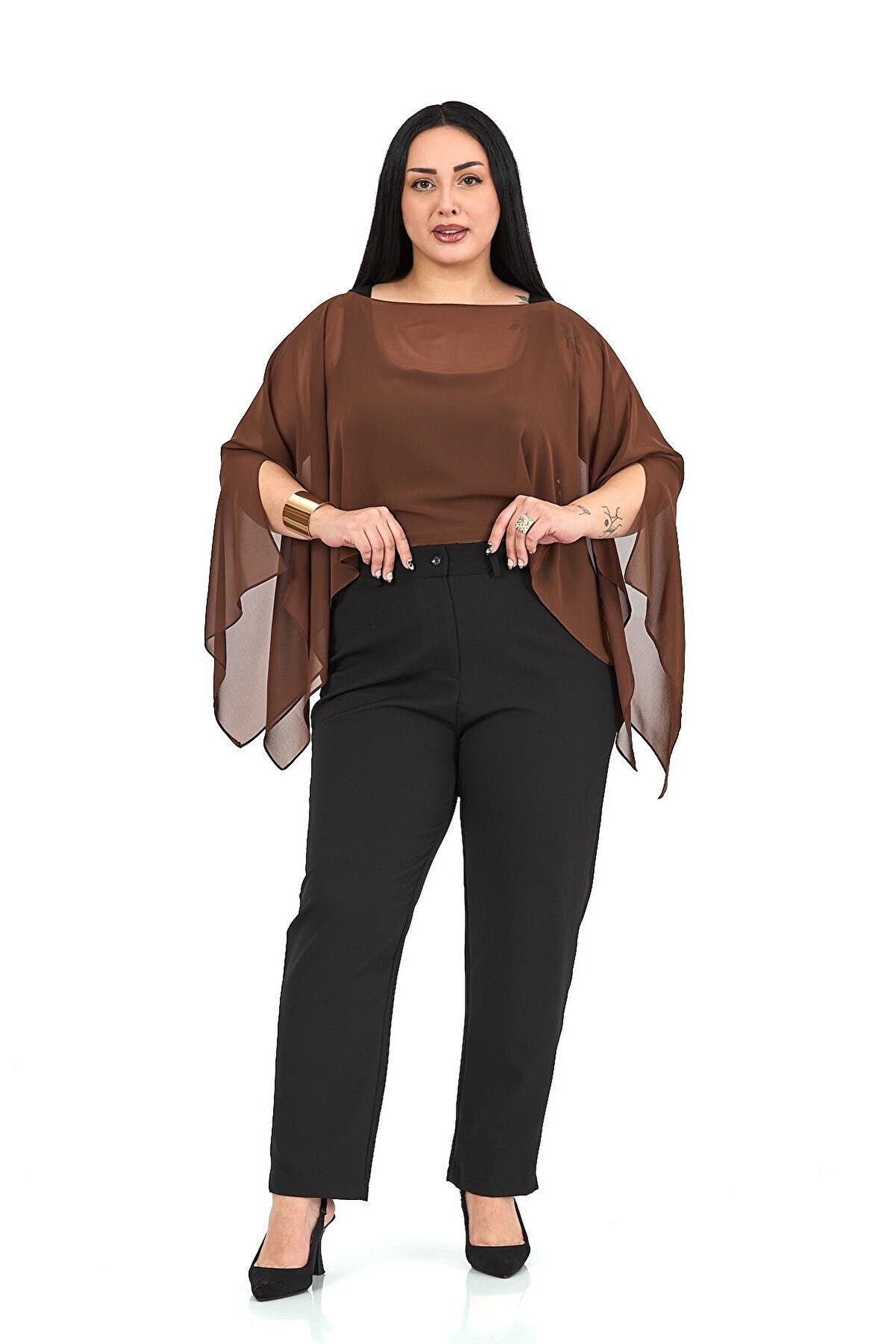
"Modest" is one of the most used and least defined words in womenswear wholesale. To a boutique in Riyadh it means a wrist-length sleeve and an opaque maxi; to a boutique in Lagos it means a considered neckline and a hem past the knee; to a boutique in Berlin it may simply mean "not sheer, not tight". All three are right for their customers — and a supplier who hears only the word will guess, and guess wrong.
This guide turns the word into specifications. It is the definitions half of a pair: our Gulf and Africa guide covers which of these sell where; this one covers how to write them so that a pattern-maker can cut from them. Everything about our own atelier is taken from our custom production page and the atelier capacity guide.
Modest is a specification, not a mood
Seven measurements cover almost every disagreement we have ever had to resolve on a sample. Write them down once per model and you will never argue about a photo again.
1. Neckline
Define the depth, not the name. "Round neck" tells a pattern-maker nothing; "neck point to front neckline 8 cm, no collarbone visible when seated" tells her everything. High round, mandarin, mock-neck and closed V are the usual modest options; a V is fine when its depth is stated.
2. Sleeve
Length first, then width. Full sleeves ending at the wrist bone are the safe default for a modest range; three-quarter sleeves sell in some markets and fail in others. For plus-size the width matters as much as the length: a sleeve graded too narrow at the upper arm is the single most common reason a size 56 does not fit a customer who is otherwise a 56. Ask for the upper-arm measurement per size, not only the length.
3. Length
State it from the shoulder, in centimetres, per size. In our range and the wider market these bands are the working vocabulary: maxi 135–150 cm shoulder to hem, tunics 90–105 cm worn over trousers, open-front kimonos and kaftans 130–145 cm. Say whether the length may grow with the size or must stay fixed; both are valid, they just produce different garments.
4. Opacity
The hardest one to see in a photo and the easiest to specify. Opacity comes from fabric weight and lining: viscose and viscose blends at roughly 180–220 g/m² read opaque in most colours; light satins and chiffons do not, and need a lining or a slip. Write "opaque in daylight, no lining required" or "lined bodice and skirt" — and name the colours, because white and pale pink fail an opacity test that black passes.
5. Ease and silhouette
Modest does not mean shapeless, but it does mean the garment skims rather than clings. Specify the wearing ease at bust and hip — the difference between body measurement and garment measurement — and whether the waist is defined by a seam, a belt, or not at all. For plus-size grading, ease that is right at 44 is usually not enough at 58; say the ease per size band, or ask the atelier to propose it.
6. Slits and openings
Every slit needs a maximum height from the hem, and every front opening needs a rule: button-through with no gaping at the bust, or closed. If the garment is meant to be worn over trousers, a side slit of stated height is normal; if it is a standalone dress, say "no slit" explicitly. Silence here is where samples go wrong.
7. Layering
Many modest outfits are built from two pieces: a long dress or tunic under a kimono, kaftan or vest. Say which pieces must work together, and whether a sleeveless or short-sleeved piece is acceptable as a layering item. Sleeveless is a layering piece, not a standalone, in most modest markets.
The plus-size traps
- Coverage that shrinks with size. A neckline that is modest at 42 can open at 56 if the pattern was scaled, not drafted. Patterns drafted for plus-size bodies keep the neckline where it is — this is why we draft every block for sizes 34–60 rather than grading up a sample size.
- Sleeves that bind. See above: upper-arm width per size, always.
- Hems that ride. A fixed hem length on a fuller hip rides up at the sides. Either add length with the size or shape the hem.
- Opacity that changes with stretch. A knit that is opaque on the hanger can become sheer over a larger bust. Specify opacity worn, not flat.
- Closures under strain. Buttons and press-studs gape where the body is fullest; state the spacing or ask for a concealed placket.
Writing the brief — copy, fill, send
This is the brief our atelier works from. It fits in a WhatsApp message or the production request form; the more lines you fill, the fewer sample rounds you pay for.
- Reference. A photo, sketch or garment you already sell. Up to 20 images on the form.
- Product and fabric. e.g. "long-sleeve maxi dress, viscose blend approx. 200 g/m², opaque without lining" — or "advise me".
- Coverage table. Neckline depth · sleeve length and upper-arm width per size · shoulder-to-hem length per size · slit height (or "none") · lining (yes/no, which parts).
- Ease. Bust and hip ease per size band, or "atelier proposes".
- Sizes and curve. Range (e.g. 44–60) and how many of each size per colour.
- Colours. Names or references; note which colours must be lined.
- Quantity, label, packing. Pieces per style, label and hangtag instructions or "use yours".
- Destination and date. Country and the date the goods must be on your floor, so shipping is quoted with the proforma.
Minimums and timelines are the same as for any custom work: label-only on an existing catalogue model with no extra minimum beyond the normal $400 order, fabric or colour variations commonly from 50–150 pieces, full custom from 150 pieces per model; samples budgeted at $40–150 per style per round and commonly credited against the bulk order. The three levels are compared in our private label guide.
Before you write a brief at all
Most modest requirements are already met by catalogue models, and a stock order is the cheapest sample there is. Our styles are cut and sewn in our own Istanbul workshop, which is why coverage stays consistent across models — a sleeve that ends at the wrist on one dress ends at the wrist on the next, in every size from 34 to 60. Put two catalogue models on your floor, note where your customer wants more or less coverage, and write the brief from that. It will be shorter and more precise than any brief written from a photo.
A brief that says "modest" is a request for a guess. A brief that says "neckline 8 cm, sleeve to wrist bone, 140 cm at size 50, opaque without lining, no slit" is a request for a garment.
Start with the collection to find the closest existing model, check our measurement guide for the size curve, and send the brief through the production request form — pricing within one business day.
Frequently asked questions
What makes a garment "modest" in wholesale terms?
Measurable coverage: neckline depth, sleeve length and width, shoulder-to-hem length, opacity (fabric weight or lining), wearing ease, slit height and how the piece layers. Written down per size, these replace the word "modest" with a specification a pattern-maker can cut from.
How long should a modest maxi dress be?
The working band we use is 135–150 cm from shoulder to hem, stated per size. Say whether the length may grow with the size or must stay fixed; both are valid and produce different garments.
How do I specify opacity?
By fabric weight and lining: viscose and viscose blends at roughly 180–220 g/m² read opaque in most colours; light satins and chiffons need a lining or slip. Write "opaque in daylight without lining" or "lined bodice and skirt", and name the colours — pale colours fail an opacity test that black passes.
Why do modest garments fail more often in plus sizes?
Because coverage shrinks when a pattern is scaled rather than drafted: necklines open, sleeves bind at the upper arm, hems ride at the hip, knits go sheer over a fuller bust. Patterns drafted for plus-size bodies keep the coverage where it is in every size.
What should a production brief for modest wear contain?
A reference image, product and fabric, a coverage table (neckline, sleeve length and upper-arm width, length per size, slit, lining), ease per size band, size range and curve, colours, quantity, label and packing instructions, destination and delivery date. Our production request form takes all of it.
What are the minimums for custom modest production?
The same as any custom work: label-only on an existing catalogue model with no extra minimum beyond the normal $400 order; fabric or colour variations commonly from 50–150 pieces; full custom from 150 pieces per model. Samples are budgeted at $40–150 per style per round.
Is sleeveless acceptable in a modest range?
As a layering piece worn over a long-sleeved dress or tunic, usually yes; as a standalone garment, usually no in most modest markets. State in the brief whether the piece is a layer or a standalone.
Can I test modest specifications before ordering custom production?
Yes — a stock order is the cheapest sample. Catalogue styles are cut in our own Istanbul workshop with consistent coverage across sizes 34–60; put two models on your floor, note where your customer wants more or less coverage, and write the brief from that.