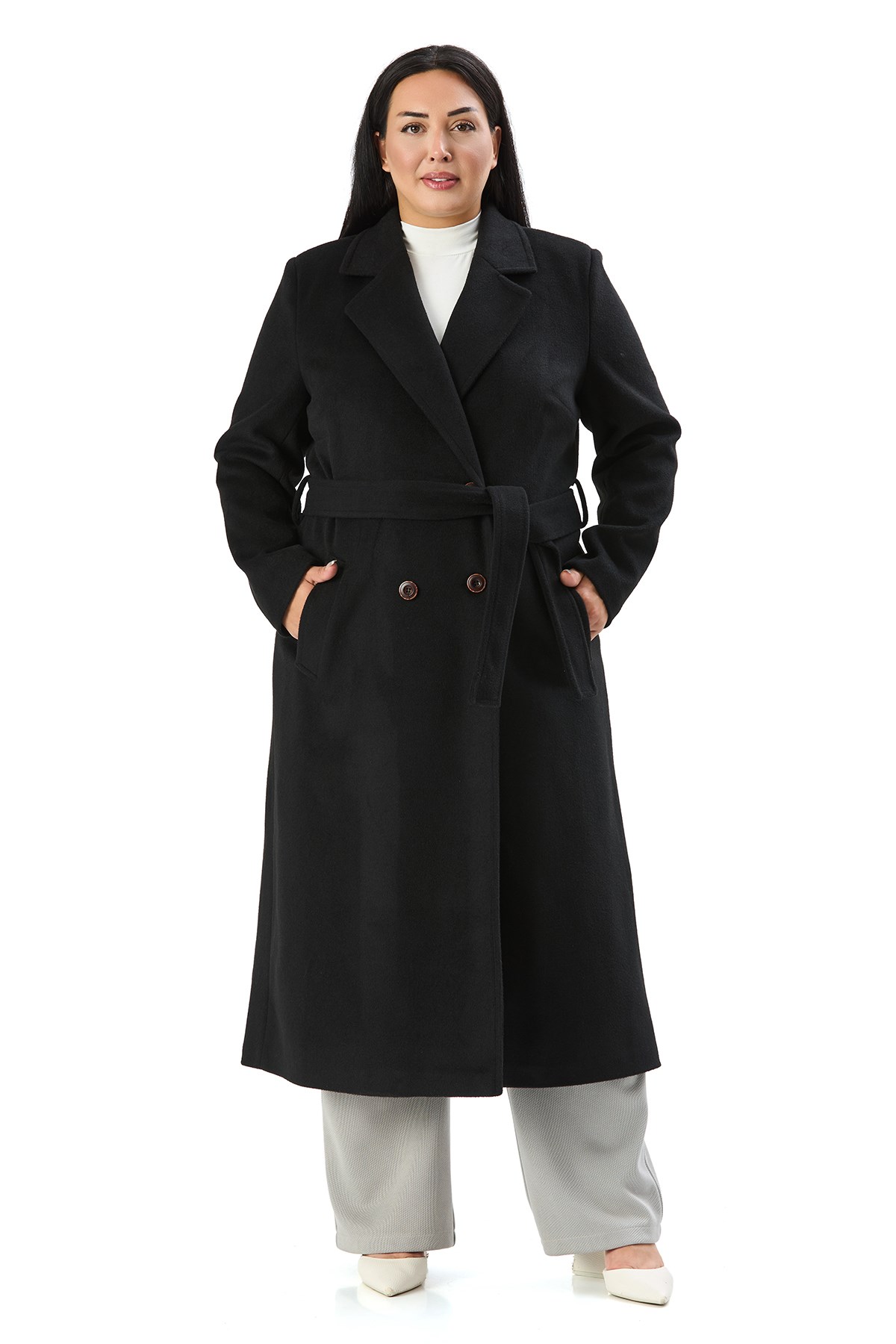
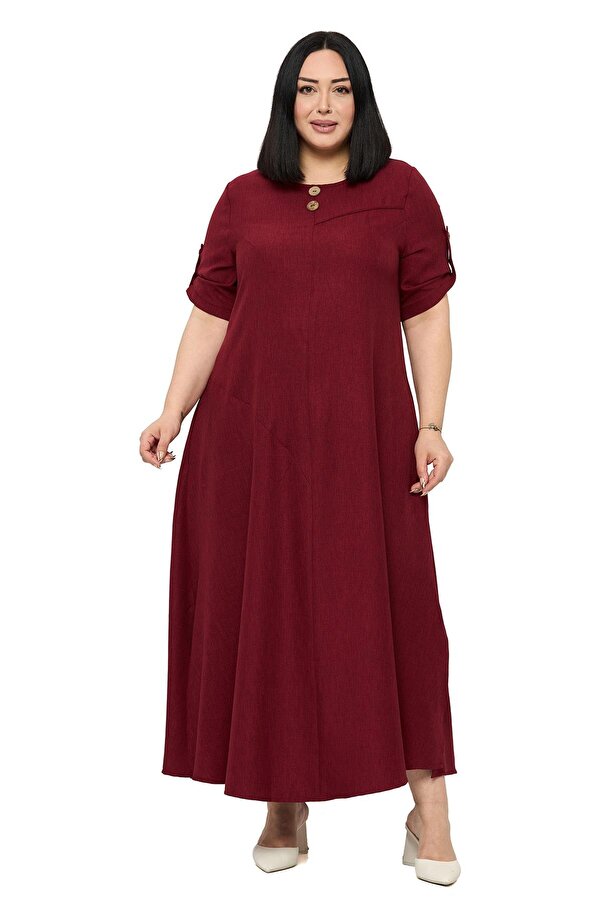
 · EST. 1998
Wholesale Co-ord Sets & Daily Wear: the Highest-Rotation Category for Plus-Size Boutiques
Occasionwear gets the attention, but co-ords and daily wear are what most plus-size boutiques actually live on. Why the category turns fastest — and how to buy it so that speed becomes margin.
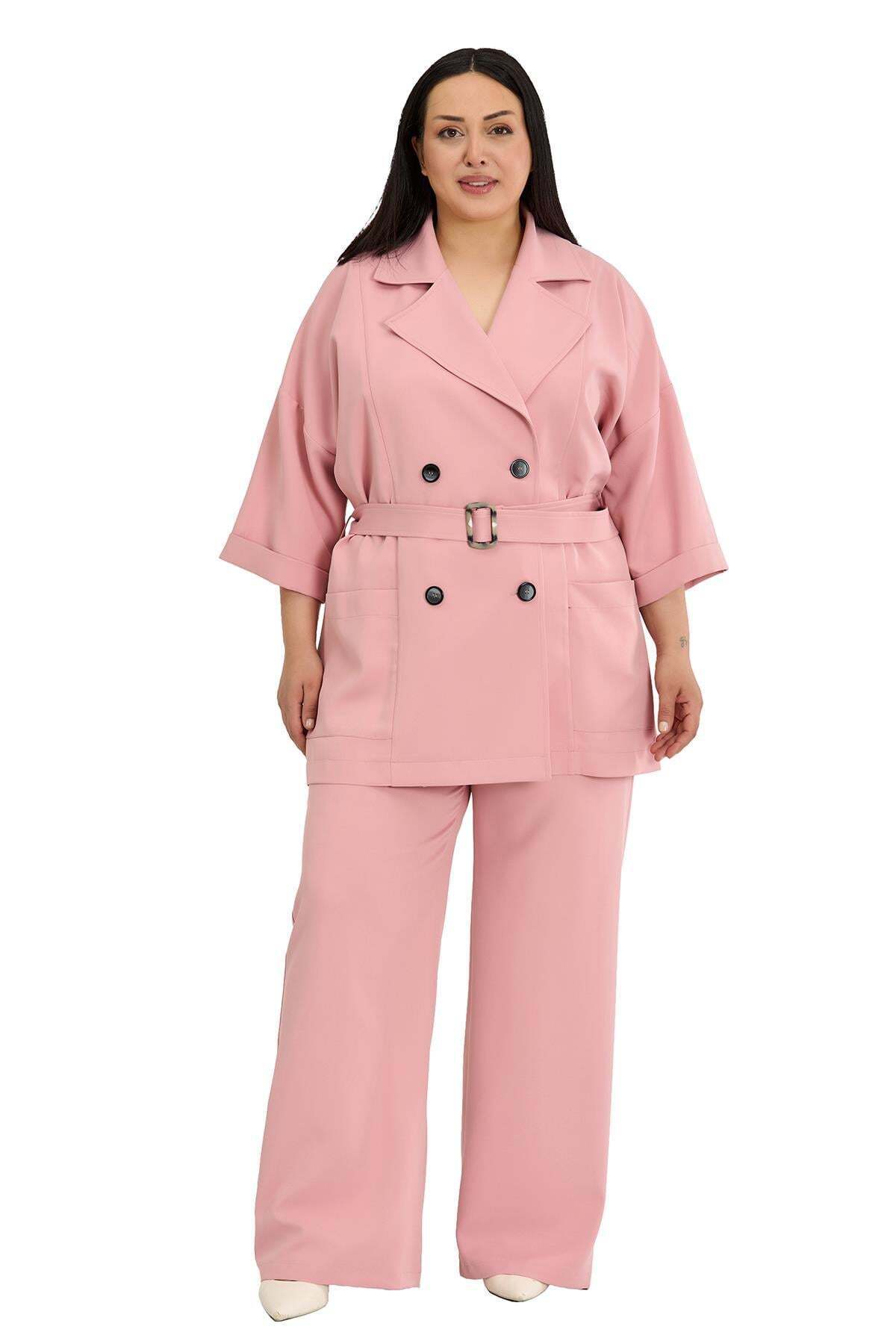
Occasionwear gets the attention, but co-ord sets and daily wear are what most plus-size boutiques actually live on. This guide explains why the category rotates faster than anything else on the rail, and how to buy and merchandise it so that speed turns into margin.
Why do co-ord sets rotate faster than any other category?
Four reasons, and they reinforce each other.
- They solve the split-size problem. A very large share of plus-size customers do not sit in the same size top and bottom. A two-piece set — especially when it can be picked in mixed sizes — removes the compromise a dress forces. That is not a styling preference; it is a fit solution, and fit solutions sell.
- The purchase is not tied to an event. An occasion dress waits for a wedding; a co-ord gets bought because the customer needs something to wear on Tuesday. Demand is continuous rather than clustered — exactly what produces high rotation.
- They photograph as a complete look. If a meaningful share of your sales starts on Instagram or WhatsApp, a set does the styling work for you: one image, one decision, one message.
- They keep selling after the first wear. The pieces separate, and a customer who bought the set comes back for a top or bottom that works with it — a second sale from the same relationship.
The commercial effect: co-ords carry less markdown risk than a decorated occasion piece, because they remain wearable and sellable long after any specific moment has passed.
What makes a co-ord set work above size 46?
- Both pieces from the same dye lot. Two garments in nominally the same colour from different lots read as a mismatch under shop lighting; confirm this when ordering.
- Opacity under tension. A fabric that is opaque on the table can fail when stretched across a hip at size 54. Ask for a photo of the fabric stretched against light rather than lying flat.
- Elastic width and construction on the bottom. Above size 48, a wide, properly secured or fully encased elastic is the difference between comfortable and unwearable; a narrow elastic rolls into a rope inside the waistband within weeks.
- Armhole and sleeve measurements on the top. Tight armholes are the single most common complaint in the upper part of the range — a grading issue rather than a fabric one.
- Fabric weight matched to the market. Mid-weight, structured fabrics that drape without clinging generally outperform both very light and very heavy options across sizes.
For how the numbering itself works and how to read a size chart against actual measurements, see the plus-size measurements guide.
How should you order colour and size mixes?
The advantage of a large in-stock range — 600+ styles and thousands of colour options — is that you can build a mix rather than accepting one. How to use it:
- Number of styles: fewer, bought deeper. A shallow rail disappoints more customers than it attracts.
- Colours per style: a small set of core colours plus one or two seasonal. Core colours reorder predictably; novelty does not.
- Size mix: order in size sets, weighted to your own sales. It keeps the curve balanced without manual calculation — the logic is explained in what a size set is.
- Mixed-size sets: ask whether tops and bottoms can be picked in different sizes. It directly serves the split-size customer.
- Repeat capability: confirm which styles can be reordered. That determines which styles deserve to be core.
If you want a specific fabric, colour or modification that is not in the standing range, custom production starts from 150 pieces per model.
How should you think about price positioning?
- Carry more than one price level in the category. An entry piece, a core piece and one elevated piece per delivery gives the customer a choice and gives you a margin anchor. A single price level makes every purchase a yes/no decision instead of a which-one decision.
- Calculate on landed cost, not invoice price. Freight, duty where applicable, handling and local delivery all belong in the number you price from — a slightly cheaper item that ships bulkier can quietly cost more to put on the rail.
- Accept a different margin structure than occasionwear. Daily wear generally works at a lower markup and earns it back through rotation. The right comparison is margin multiplied by how many times a year the stock turns.
- Price the set and the separates coherently. If the pieces can be sold individually, make sure buying them separately does not undercut the set.
How do you sell them in-store and online?
- Display as complete outfits, not tops on one rail and bottoms on another. The set sells the idea; the rails sell garments.
- Photograph flat as well as on a model. Remote customers cannot touch the goods, and a flat image of the largest size communicates fit better than a styled shot.
- Add the third piece. A cardigan, a kimono or a vest turns a two-piece sale into a three-piece sale at the fitting-room door.
- Publish real measurements. Chest, waist, hip and length per size reduces both hesitation and returns; customers above EU 48 are used to being disappointed by labels and will trust numbers.
- Track what sold as a set versus as separates. That data tells you whether to reorder the set or the individual shapes.
How do co-ords fit into the wider assortment?
- Rotation engine — co-ord sets and daily wear: deepest depth, most frequent reorders.
- Attachment sales — trousers, blouses, cardigans: bought to extend the set.
- Margin peaks — occasion and evening pieces: fewer styles, higher markup, slower turn.
- Seasonal anchors — outerwear and knitwear: higher unit value, defined window.
The categories are not competing for the same budget — they do different jobs. Co-ords fund the shop's regular cash flow; occasionwear lifts the average basket; outerwear brings people through the door in the cold months.
What goes wrong?
- Buying one of everything. The category rewards depth; a single piece per size across many styles is the most reliable way to disappoint customers who came in ready to buy.
- Ignoring the dye lot. Colour mismatch between top and bottom is invisible in a photo and obvious in the fitting room.
- Treating the reorder as an emergency. By the time the rail is empty you have already lost sales and still have to wait for delivery. Reorder at a fixed review point, using recorded sales.
- Not asking which styles repeat. Build your core around styles that can be repeated, and use the rest for variety — a one-question conversation that changes your whole assortment strategy.
Build your co-ord assortment: browse the catalogue — free membership opens live prices and stock — then message your list on WhatsApp for a proforma invoice. See the FAQ for terms, or how we work if you are planning an ongoing supply relationship.
Frequently asked questions
Why do co-ord sets sell better than dresses in plus sizes?
Mainly because they solve a fit problem rather than a styling one — many customers sit in different sizes on top and bottom, and a two-piece removes the compromise a dress forces. They are also bought for everyday wear rather than for a specific event, which spreads demand across the year, and the pieces work as separates afterwards. That combination produces high rotation and lower markdown risk.
Can I order tops and bottoms in different sizes?
Ask your salesperson when you send your list, since it depends on the style and how it is packed. Where mixed-size sets are possible they directly serve the split-size customer, and many boutiques find they materially reduce both fitting-room hesitation and returns. If a style cannot be mixed, ordering adjacent size sets often achieves a similar result.
How many colours should I take per style?
Fewer than you might expect, weighted towards core colours that reorder predictably, with one or two seasonal options for interest. Depth in a colour that sells beats breadth across colours that each sell once. After a couple of deliveries your own sales record will tell you which colours to hold and which to drop.
What is the minimum order for co-ord sets?
Goods are sold in size sets from the in-stock range, and you can mix any styles, colours and sizes as long as the order total reaches the $400 minimum — workable for an independent boutique. If you need a fabric, colour or modification that is not in the standing range, custom production is available from 150 pieces per model.